
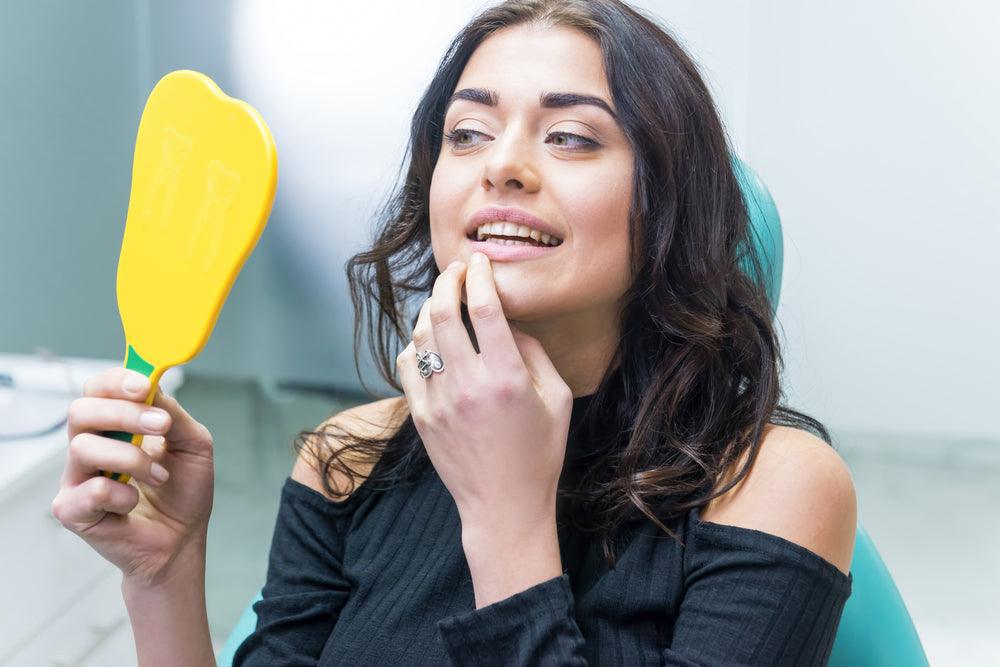
Most tooth discolouration comes from surface stains left by coffee, tea, red wine, some foods and smoking. Teeth also look darker with age, as enamel wears and the yellower dentine underneath shows through. Less often the colour comes from inside the tooth, after an injury, root canal treatment or certain medicines taken in childhood. Whitening works well on surface stains, but stains inside a tooth usually need a dentist.
The Australian Dental Association says dental practitioners are best placed to diagnose why a tooth is discoloured. This guide explains the common causes so you know what you are dealing with before you choose a treatment.
What is the difference between extrinsic and intrinsic stains?
Extrinsic stains sit on the outside surface of the tooth and are caused by things like tea, coffee, red wine and smoking. Intrinsic stains are inside the tooth structure. The Australian Dental Association explains that surface stains can often be removed with a whitening toothpaste, a professional clean or teeth whitening, while stains inside a tooth can be very difficult to remove by treating the outside.
The 7 most common causes of tooth discolouration
1. Food and drink
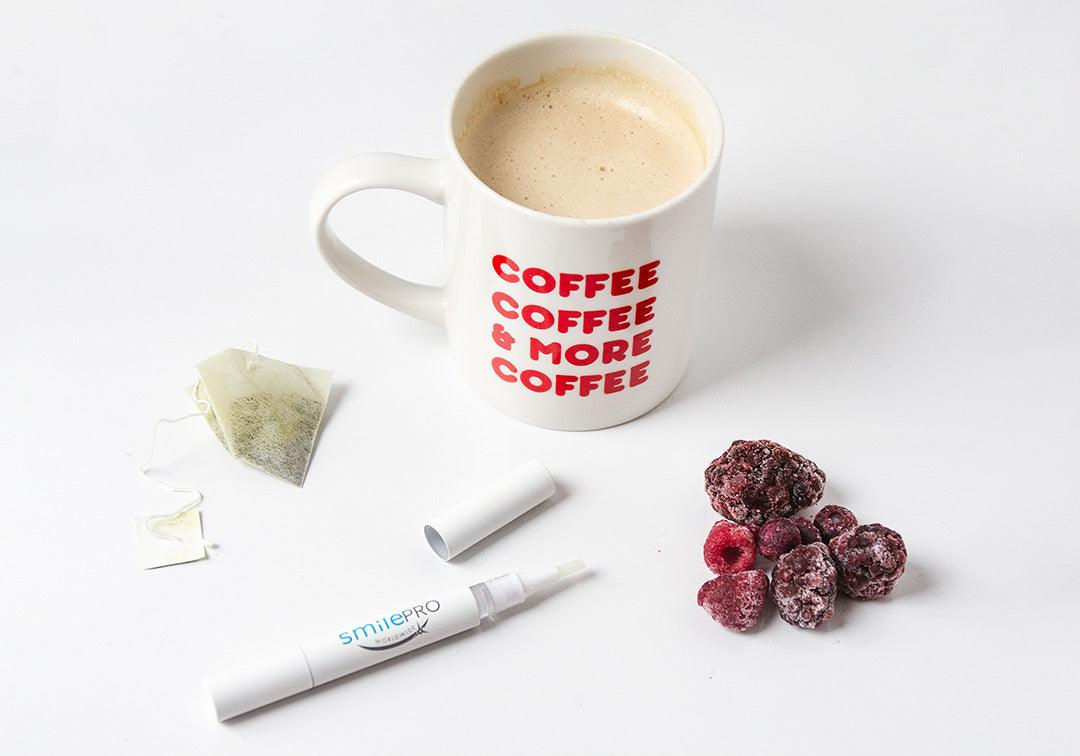
Coffee, tea and red wine are major causes of staining. Their intense colour pigments, called chromogens, attach to the white enamel and make it look darker, says the Australian Dental Association. healthdirect adds spices, berries and beetroot. See 10 foods and drinks that stain teeth.
2. Smoking and tobacco
The tar and nicotine in tobacco can turn teeth a yellowish colour, according to the Australian Dental Association. Smoking is one of the three stain-causing habits healthdirect lists, alongside tea, coffee and red wine.
3. Getting older
As you age, the white enamel layer can wear thinner. healthdirect explains that this exposes the dentine underneath, which is a yellowish colour and makes the tooth look yellower.
4. Acid wear
Acid from soft drinks, sports and energy drinks, fruit juice and citrus water softens the tooth surface, which then wears away. The Australian Dental Association notes that teeth damaged by erosion can look darker, because the enamel thins and the yellow dentine shows through.
5. An injury to the tooth
A knock to a tooth can make it darker over time. The Australian Dental Association explains that the tooth may make more dentine to protect the pulp, and that blood from inside the tooth can leak into the surrounding structure.
6. Medicines taken while teeth were forming
Some antibiotics, including tetracycline and doxycycline, can stain teeth if they were taken as a young child or during pregnancy, while the adult teeth were developing. healthdirect and the Australian Dental Association both list this as a cause of staining inside the tooth.
7. Dental treatment
A tooth that has had root canal treatment can become discoloured, healthdirect notes, and the Australian Dental Association adds amalgam fillings to the causes of staining inside a tooth.
Which tooth stains can whitening fix?
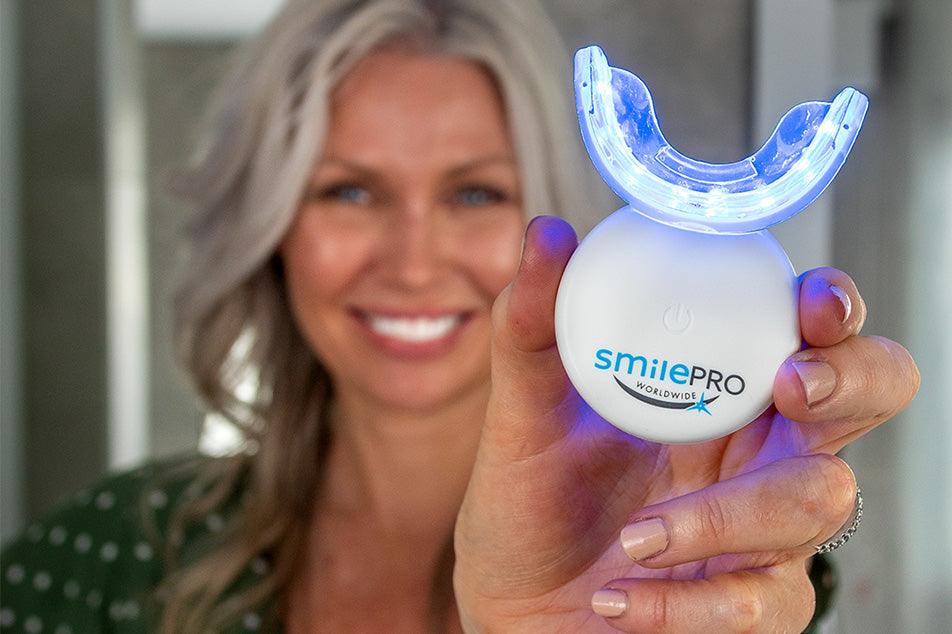
Surface stains from food, drink and smoking respond best. With the SmilePro Advanced Teeth Whitening Kit, even years of coffee, tea, red wine and smoking stains can lift, for up to 8 shades whiter in 7 days at 10 minutes a day. healthdirect warns that if the problem causing the colour is deep inside your teeth, a whitening gel applied to the outside will not make them whiter. Our Kit will not work on thin enamel, teeth affected by injury, or stains from antibiotics, and it will not whiten crowns, veneers or fillings: see does teeth whitening work on crowns and veneers?
Why is one tooth darker than the others?
If only one tooth has darkened, an old injury or root canal treatment are two possible reasons, and the Australian Dental Association lists both as causes of staining inside a tooth. See your dental practitioner: they can check the tooth and, where it suits, offer internal bleaching, where a whitening gel is placed inside the tooth, a treatment only a dental professional can do.
When should you see a dentist about discoloured teeth?
See a dental practitioner before whitening if one tooth has darkened, if you notice dark spots or holes, or if your teeth are sensitive or your gums are sore. healthdirect does not recommend whitening if you have sensitive teeth, gum disease, cracks or holes in your teeth, or untreated dental problems, and advises seeing your dental practitioner every 6 to 12 months for a check-up.
Can you prevent tooth discolouration?
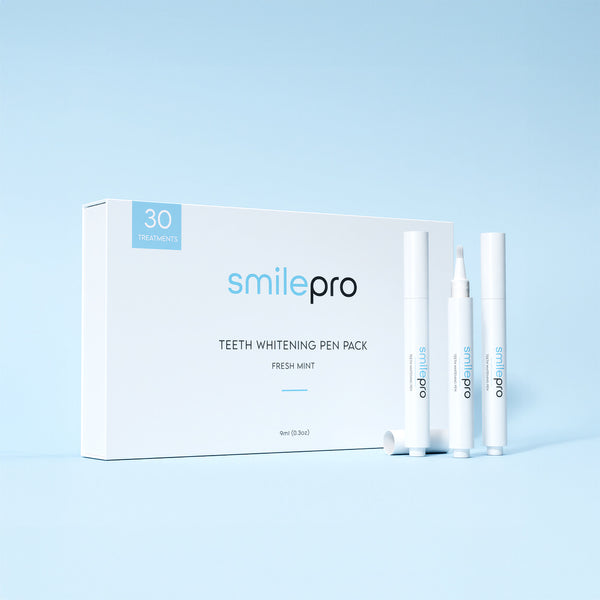
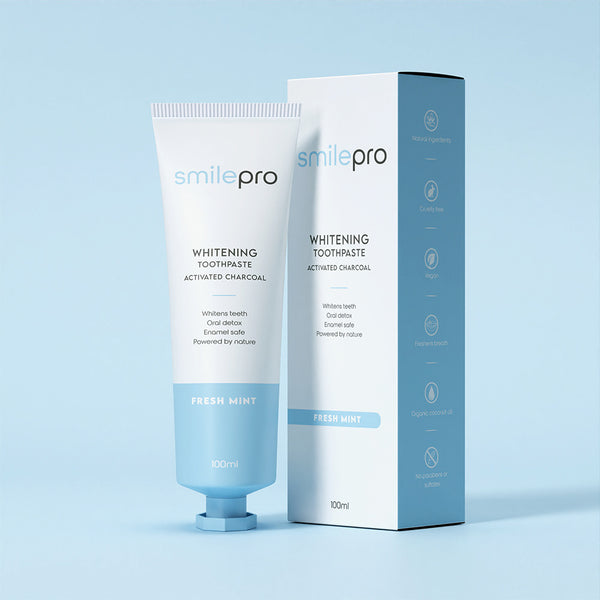
You can reduce surface staining. healthdirect suggests cleaning your teeth with a toothbrush and floss every day, not smoking, and rinsing your mouth with water after food or drink that can discolour your teeth. A whitening toothpaste, such as SmilePro Whitening Toothpaste with activated charcoal, helps lift everyday surface stains. If you have whitened, a 10-minute top-up every 2 weeks helps stop new stains settling. After each treatment, wait 1 hour before eating or drinking anything except water.
SmilePro whitening products are not suitable for anyone under 18, or anyone pregnant or breastfeeding. If you have sensitive teeth or unhealthy gums, see a dentist first.
Lift years of surface stains: shop the SmilePro Advanced Teeth Whitening Kit →
Sources
This guide is general information, not dental advice. If you have any concerns about your teeth or gums, speak to a dentist.
- Australian Dental Association, Teeth staining and Tooth erosion, teeth.org.au.
- healthdirect Australia, Teeth whitening, last reviewed February 2025.
- healthdirect Australia, Dental care and teeth cleaning, last reviewed November 2024.
- SmilePro product information: Advanced Teeth Whitening Kit, Whitening Toothpaste.
Last updated: 8 October 2026.


Leave a comment
This site is protected by hCaptcha and the hCaptcha Privacy Policy and Terms of Service apply.